

Youth Rollerblading for Fun and Fitness in Colombia
Updated: Aug 15
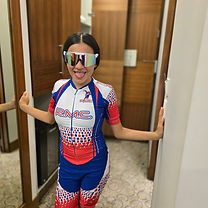
By Lina, 13, a Bogotá skater who loves hills, arepas, and fast wheels
Hola, I’m Lina, and I’ve been rollerblading since I was eight. The first time I rolled down the street near my house, I felt half scared and half like I had discovered a superpower.
In Colombia, skating is more than a hobby. It’s how I meet friends, get stronger, and feel free outside. Some days I skate in bike lanes. Other days I practice at the park while someone’s dog tries to race me. When the mountains are in the background, it honestly feels like flying.
This post is for kids, teens, parents, and anyone who wants to start skating for fun and fitness. I’ll share what I’ve learned about safety, gear, workouts, practice, and keeping your stuff together when you’re rolling from school to the park.

Why youth rollerblading is awesome for fun and fitness
Rollerblading is fun, but it’s also a real workout. When I skate with friends, I don’t think, “Wow, I’m doing cardio.” I’m thinking about the next turn, the wind on my face, and whether I can make it up the hill without stopping.
That’s the best part. Exercise doesn’t always have to feel like exercise.
Skating helps with:
Balance
Leg strength
Core control
Cardio fitness
Coordination
Confidence
It also teaches patience. Nobody becomes smooth on wheels in one afternoon. You wobble. You fall. You get back up. Then one day, the move that felt impossible starts to feel normal.
For me, rollerblading is also a way to clear my head. If I’ve had a long school day, skating helps me shake it off. I don’t need a screen. I don’t need a huge plan. I just need my skates, my gear, and a safe place to roll.
That’s why I think the mix of rollerblade, fitness, and youth energy makes sense. It’s active, social, and exciting all at once.
Start with safety before speed
I love fast wheels, but speed only feels good when you’re in control. The first lesson I learned from older skaters was simple: protect your body before you try to impress anyone.
Good rollerblade safety gear matters, especially when you’re learning. Falling is part of skating, but getting hurt badly doesn’t have to be.
Here’s the gear I think every beginner should wear:
Gear | Why it matters |
Helmet | Protects your head if you fall backward, forward, or sideways |
Wrist guards | Helps protect your hands and wrists when you catch yourself |
Knee pads | Makes falls less scary and less painful |
Elbow pads | Helps when you land on your side |
Good socks | Prevents rubbing and blisters |
Visible clothing | Helps cyclists, drivers, and other skaters see you |
A helmet should fit snugly, not slide around. Wrist guards should feel secure but not cut off circulation. Knee pads should stay in place when you bend your legs.
And yes, pads can feel annoying at first. I used to think they made me look too beginner. Then I fell on rough pavement and thanked every single pad I was wearing.
The coolest skater isn’t the one who never falls. It’s the one who knows how to get up and keep learning.
Parents, if you’re helping someone start, make safety normal from day one. Don’t make gear feel like a punishment. Make it part of the routine, like tying shoes before running.
Pick equipment that fits your real skating life
The right skates don’t need to be the most expensive. They need to fit well, support your ankles, and match the kind of skating you actually do.
If you’re just starting, look for skates that feel stable. Super fast wheels can be fun later, but beginners need control first. A skate that’s too loose can make your feet slide around. A skate that’s too tight can make every practice feel miserable.
Here’s what I check before skating:
The buckles or laces are tight enough
My wheels spin but aren’t wobbly
The brake is still strong if my skates have one
My socks are smooth and not bunched up
My pads are on before I leave home
For kids rollerblading, comfort is huge. If the skates hurt, nobody wants to practice. If the skates feel secure, learning becomes way more fun.

Also, don’t forget water. Skating can make you sweaty fast, especially on sunny days. I like bringing a small bottle and taking breaks before I feel totally tired.
Learn the basics before trying tricks
When I was younger, I wanted to jump, spin, and go fast right away. Pretty normal, right? But the skaters who improve fastest are usually the ones who practice the basics until they feel automatic.
Start with these moves.
Bend your knees
This sounds too simple, but it changes everything. Bent knees help you balance, turn, and stop. If your legs are stiff, every crack in the pavement feels bigger.
A good skating stance feels low and ready, like you’re about to sit on a small chair.
Practice falling safely
I know, nobody wants to practice falling. But it helps. If you lose balance, try to bend your knees and fall forward onto your pads instead of throwing your hands back.
Wrist guards and knee pads are your friends here.
Learn to stop
Stopping is more important than going fast. Practice with a heel brake if your skates have one. You can also learn the T-stop later, where one skate drags behind the other in a T shape.
Do it slowly first. Find a flat, open area with no traffic.
Turn with your body
Don’t just twist your feet. Look where you want to go, turn your shoulders a little, and let your feet follow. It feels weird at first, then it becomes natural.
Skate small distances first
You don’t need to cross the whole city in one day. Start with short sessions. Ten to twenty minutes is enough when you’re new. Add time when your legs and balance get stronger.
Where skating feels special in Colombia
One thing I love about inline skating Colombia style is that every place feels different. Bogotá has hills, parks, bike lanes, and cool mornings. Also, check out Discover the Capital of Colombia or 10 Best Things to Do in Bogota. Other cities have river paths, warm evenings, plazas, and long flat areas where you can roll for ages.
Of course, not every street is safe for skating. I always look for smooth pavement, open space, and places away from fast cars. Ciclovía-style routes and parks can be great because there’s more room to move.
Before skating somewhere new, I ask:
Is the pavement smooth enough?
Is there traffic nearby?
Are there lots of pedestrians?
Can I stop safely?
Is there a place to rest and drink water?
Will I be skating with someone I trust?
Skating with friends is more fun, but it also helps with safety. You can remind each other to slow down, check gear, or avoid a rough path.

And yes, snacks matter. After a long skate, an arepa tastes like victory.
How rollerblading builds fitness without feeling boring
Skating works more of your body than people think. Your legs push, your core keeps you steady, and your arms help with rhythm. When you skate uphill, your muscles work hard. When you skate longer distances, your heart and lungs join the party.
It’s also lower impact than running for many people because you’re gliding instead of pounding the ground every step. That doesn’t mean it’s risk-free, but it can be a fun way to move if you learn safely.
Here are a few ways skating helps me stay active:
My legs feel stronger
Hills used to destroy me. Now I still get tired, but I can push longer.
My balance is better
Even when I’m not skating, I notice it. Stairs, sports, and quick movements feel easier.
My stamina improves
The more I skate, the longer I can go without needing a break.
My mood gets better
Fresh air plus movement is a strong combo. I usually come home happier than when I left.
If skating ever hurts in a sharp or unusual way, stop and tell an adult. Being dedicated doesn’t mean ignoring pain. It means practicing smart.
Dedication makes you smoother, not just faster
Dedication sounds like a big serious word, but to me it means showing up again and again. You don’t need to train like a professional. You just need to keep rolling.
A simple practice week could look like this:
Day | Easy skating idea |
Monday | Practice balance and stopping for 15 minutes |
Wednesday | Skate a comfortable route with a friend |
Friday | Work on turns and gentle hills |
Weekend | Take a longer relaxed skate with breaks |
Some days will feel amazing. Some days your feet will feel clumsy. That’s normal.
When I feel stuck, I pick one tiny goal. Not “become the best skater ever.” Just “stop smoother today” or “turn without panicking.” Tiny goals work because you can actually see progress.
And please don’t compare too much. Someone else might learn crossovers faster. Someone else might go downhill with no fear. That doesn’t take away your progress.
Your skating journey is yours.
Carrying your stuff should be easy
Skaters always have little things to carry: water, snacks, phone, keys, extra socks, sunscreen, maybe a light jacket. I don’t like carrying a huge backpack when I skate because it can feel heavy and awkward.
That’s why a simple drawstring bag can be perfect. It’s light, easy to grab, and useful when you’re moving between school, the park, and home.
The AXTENZO ICON drawstring bag is a cool pick for skaters because it keeps the basics together without making you feel overloaded. I like bags like this for short skate sessions, especially when I only need the essentials.
Good things to pack:
Water bottle
Small snack
Sunscreen
Extra socks
Phone or ID if allowed by a parent
Light layer for cooler weather
Small towel
Hair tie or cap
Try not to overpack. A bag that bounces around too much can get annoying. Keep it light and snug.
FAQ
What age is good to start rollerblading?
Many kids start once they have enough balance, patience, and safety awareness to follow instructions. For some, that’s early elementary age. The most important thing is proper gear, supervision, and a safe place to practice.
Do beginners need expensive skates?
No. Beginners need skates that fit well, support the ankles, and roll smoothly. Comfort and control matter more than fancy features.
Is rollerblading good exercise?
Yes, it can be great exercise. It works your legs, balance, and cardio fitness. Start slowly, take breaks, and build up over time.
Where should beginners practice?
Flat, smooth, open areas are best. Parks, quiet paths, empty courts, and protected bike lanes can work if they’re safe and allowed.
What should I carry when I go skating?
Bring water, a small snack, sunscreen, basic ID if needed, and any small items your parent or guardian wants you to have. Keep your bag light.

My final push before you roll
Rollerblading gives you fitness, freedom, and a reason to go outside. It teaches you to be brave, but also careful. It makes your legs stronger and your confidence louder. Best of all, it turns normal streets and parks into places where you can practice, laugh, and feel fast.
Start slow. Wear your gear. Learn to stop. Bring water. Skate with people who make you feel safe and happy.
If you want a light bag for your skating essentials, check out the AXTENZO ICON drawstring bag.
Now lace up, bend your knees, and enjoy the ride.


Comments